The Rise of Cross-Platform Desktop Apps with Electron

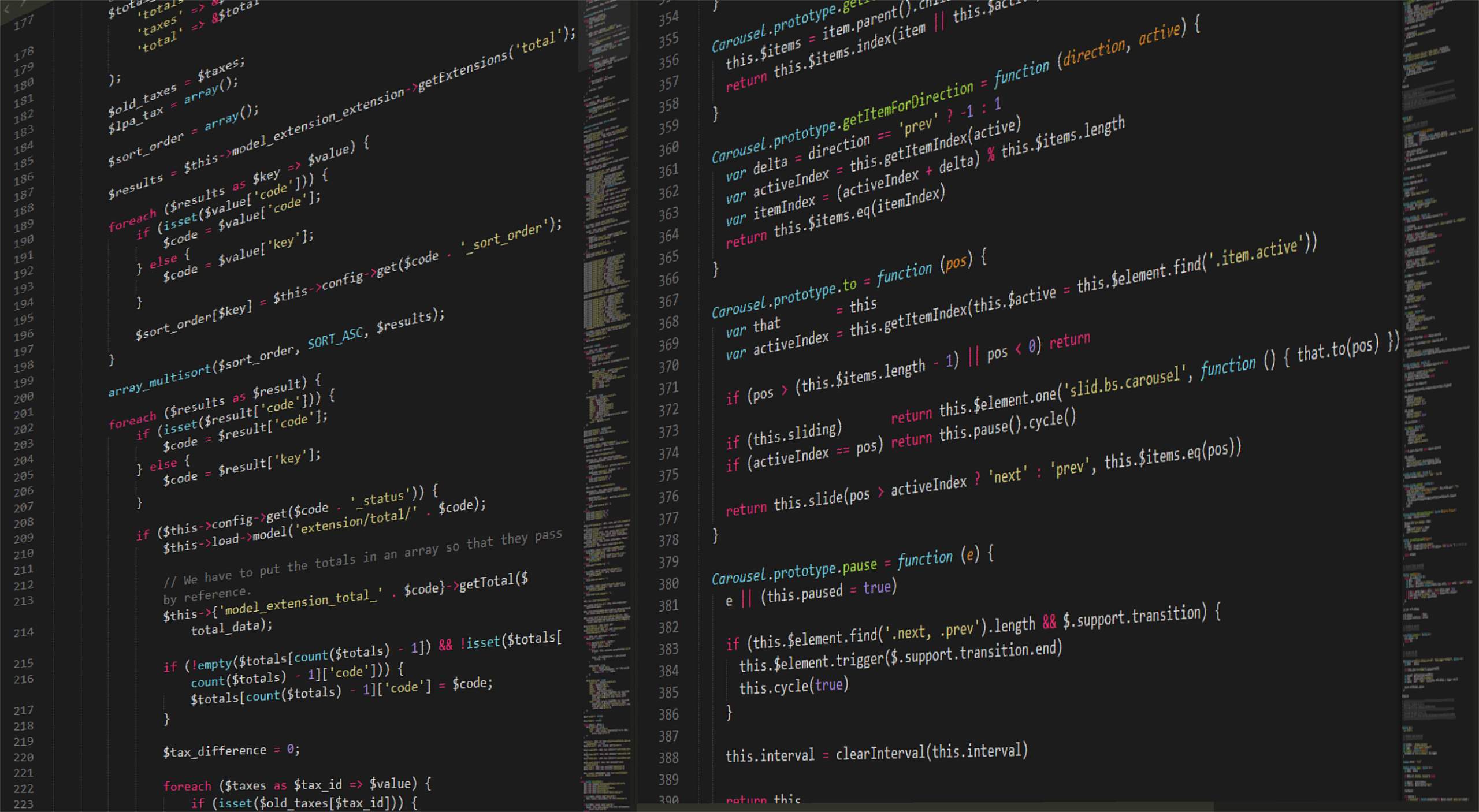
The software development landscape has undergone a seismic shift over the past decade. Where once native development for Windows, macOS, and Linux required separate codebases, specialized teams, and lengthy release cycles, a new paradigm has emerged: cross-platform desktop applications built with web technologies. At the forefront of this revolution sits Electron, an open-source framework that has fundamentally altered how developers think about desktop software. Since its initial release in 2013, Electron has powered some of the most widely used applications in the world, from Slack and Visual Studio Code to Discord and Figma. Understanding its rise requires examining the technical, economic, and user-experience factors that drove adoption, as well as the trade-offs that continue to spark debate.
Electron is the product of a pragmatic vision: combine the Chromium rendering engine with Node.js runtime to allow developers to build desktop applications using HTML, CSS, and JavaScript. This single codebase can then be packaged for Windows, macOS, and Linux with minimal modifications. The framework was originally developed by GitHub for the Atom editor, a text editor that needed to deliver a rich, native-like experience without sacrificing the flexibility of web development. When GitHub open-sourced Electron in 2014, the developer community quickly recognized its potential. Within two years, Slack—the workplace communication platform that had previously relied on a slow, resource-heavy web wrapper—rewrote its desktop version using Electron, achieving faster iteration cycles and consistent feature parity across platforms. This validation by a major enterprise application catalyzed widespread adoption.
The technical architecture of Electron is deceptively straightforward. Each Electron application runs two types of processes: a main process that manages native interactions (file dialogs, system menus, tray icons) and one or more renderer processes that display the web-based user interface. The renderer processes are essentially Chromium browser instances, giving developers access to the full suite of modern web APIs, including CSS Grid, Canvas, WebGL, and Service Workers. The main process communicates with renderer processes via Inter-Process Communication (IPC), a design that mirrors the security model of web browsers but allows deep integration with the operating system. This architecture means a developer who knows React, Vue, or Angular can immediately build a desktop application with the same tools they use for web development. The learning curve is shallow compared to learning Swift for macOS, C# for Windows, or GTK for Linux.
The economic incentives for adopting Electron are compelling. For startups and small teams, maintaining separate native codebases for three operating systems can be prohibitively expensive. A typical native desktop project might require three developers with distinct skill sets. With Electron, one developer—or one team—covers all platforms. This reduces development costs by an estimated 40-60% in early stages, according to industry surveys. Beyond engineering, Electron reduces QA complexity; bugs that affect one platform are often reproducible on others. Release cycles shrink from weeks to days because there is no platform-specific code to synchronize. For established companies, Electron allows legacy web applications to migrate to desktop without rewriting business logic. Visual Studio Code, for instance, leveraged Electron to bring a web-based editor to the desktop while maintaining its underlying file system access, terminal emulation, and Git integration—features impossible in a pure browser environment.
User experience in Electron apps has evolved significantly. Early Electron applications faced criticism for high memory usage, sluggish startup times, and inconsistent visual integration with operating system conventions. Slack’s initial Electron version, for example, consumed over 200 MB of RAM at idle and exhibited noticeable input lag on older hardware. These issues stemmed from running a full Chromium instance per window, a design that bundled an entire browser engine with every application. However, subsequent Electron versions have introduced substantial performance optimizations. The addition of the contextBridge API allowed safer, more efficient IPC. The BrowserWindow constructor gained options for disabling hardware acceleration when unnecessary. In 2020, Electron 11 introduced an “Isolated World” sandboxing model that reduced cross-process overhead. Most critically, Electron adopted portions of Chromium’s “background throttling” and “freezing” features, enabling applications to suspend renderer processes when windows are hidden. Modern Electron apps like Discord and Notion typically use 120-180 MB at idle—still higher than a native Swift or C++ app (typically 40-80 MB) but acceptable given the productivity gains.
The ecosystem surrounding Electron has matured into a robust infrastructure of tools, libraries, and best practices. Electron Forge and electron-builder simplify packaging, signing, and auto-updating across platforms. The electron-rebuild utility ensures native Node.js modules compile correctly. Security auditing tools like electronegativity scan for common vulnerabilities, such as exposing Node.js APIs to renderer processes—a practice that can lead to remote code execution. The community has also formalized patterns for state management, accessibility, and localization. Notably, Electron’s support for Chrome DevTools Protocol allows developers to inspect and debug their applications using the same tools they use in the browser. This debugging parity reduces the cognitive overhead of switching contexts. Companies like Slack and Microsoft have open-sourced internal tools: Slack’s electron-chrome-web-store helper and Microsoft’s electron-sandboxed-sessions demonstrate the ecosystem’s collaborative nature.
Despite its dominance, Electron is not without detractors. The framework’s most persistent criticism revolves around resource efficiency. A single Electron app can consume as much RAM as a full web browser with several open tabs. When multiple Electron apps run simultaneously—a common scenario for developers who use Slack, Discord, Visual Studio Code, and Notion—system pressure becomes noticeable on machines with 8 GB of RAM or less. Battery life on laptops suffers because Chromium’s rendering engine does not optimize for the same power profiles as native compositors. File size is another pain point: a minimal Electron application is approximately 100 MB because it bundles the Chromium runtime. In contrast, a similar native app using SwiftUI or WinUI might be 10-20 MB. For users in regions with limited bandwidth or storage, this difference is significant.
Alternatives to Electron have emerged to address these shortcomings. Tauri, a Rust-based framework, achieves dramatically smaller application sizes (typically 5-15 MB) by using the system’s native web view (WebKit on macOS, WebView2 on Windows, WebKitGTK on Linux) instead of bundling Chromium. Tauri also boasts lower memory consumption—often 30-50% less than equivalent Electron apps—and enhanced security through its strict capability-based permissions model. However, Tauri requires developers to write some Rust code for native OS interactions, creating a steeper learning curve. Flutter, Google’s UI toolkit, now supports desktop targets with near-native performance, but it relies on the Dart language rather than JavaScript/TypeScript, limiting its appeal to web developers. NW.js, Electron’s older competitor, persists in legacy applications but lacks the community momentum that Electron still commands. These alternatives have gained traction in specific niches—Tauri for privacy-focused tools, Flutter for cross-platform mobile/desktop convergence—but Electron remains the default choice for most teams due to its maturity, documentation, and talent pool.
The security model of Electron has undergone rigorous refinement. Early versions encouraged anti-patterns like enabling nodeIntegration: true in renderer processes, effectively granting any web content spawned by the application full access to the operating system. This design led to several high-profile vulnerabilities, including the 2018 Electron Remote Code Execution exploit that affected Discord and Slack. Modern Electron best practices are stringent: nodeIntegration is disabled by default, contextIsolation is enabled to separate renderer JavaScript from Electron’s internal scripts, and sandbox, first introduced in Electron 20, restricts renderer processes to the same level of privilege as a web page in Chrome. The webPreferences object now includes over a dozen security-related options, and the official documentation maintains a dedicated “Security” guide that is updated with each release. For corporate environments, Electron apps can be configured to enforce Content Security Policies (CSP) and disable remote resources, mitigating supply chain risks. These measures, while not eliminating all attack vectors, have brought Electron into compliance with enterprise security standards.
Looking at the future trajectory, Electron is adapting to a changing desktop landscape. The framework is gradually integrating features from the latest Chromium releases, such as WebGPU for hardware-accelerated graphics and the File System Access API for robust local file management. The Electron team has committed to aligning with Chrome’s release cadence, ensuring that security patches arrive within weeks of upstream fixes. Perhaps most importantly, Electron is exploring “Electron 2.0” architecture concepts that would allow the Chromium runtime to be shared across multiple Electron apps on the same machine—a move that could drastically reduce aggregate memory usage. Projects like electron-shared and proof-of-concept implementations of compositor sharing suggest this may be achievable within the next two years. Additionally, the rise of Web Components and server-driven UI patterns means future Electron apps may offload rendering logic to remote servers, reducing client-side resource demands while maintaining desktop-level interactivity.
The impact of Electron extends beyond technical metrics. It has democratized desktop software development, enabling solo developers and small teams to compete with enterprise offerings. Tools like Beaker, a peer-to-peer browser built with Electron, and Standard Notes, a note-taking app, would likely not exist in their current form without the framework’s low barrier to entry. The rise of Electron has also influenced operating system vendors: macOS Big Sur and Windows 11 introduced native blur effects and rounded corner APIs that Electron apps can now target with vibrancy and titleBarStyle options. This feedback loop between Electron and native platforms suggests a future where the boundaries between web and native continue to blur. As hardware improves—modern CPUs manage multiple render processes more efficiently, and SSDs reduce launch delays—the performance gap that once favored native development will narrow further.
For developers considering Electron in 2024, the decision hinges on context. If the application requires deep OS integration—low-level file system hooks, custom window chrome, or kernel-level networking—native or Rust-based frameworks remain superior. But for the vast majority of productivity tools, communication platforms, and creative software, Electron offers a proven path to market. The key is to adopt modern best practices: use TypeScript for type safety, implement lazy loading for heavy components, leverage the new Share API for OS-level sharing, and profile performance with Electron’s built-in task manager. Avoid eval(), disable remote modules unless absolutely necessary, and always run electron-builder in --publish=always mode to ensure users receive security updates automatically. The applications that succeed on Electron are those that respect the user’s resources while delivering web-like iteration velocity.